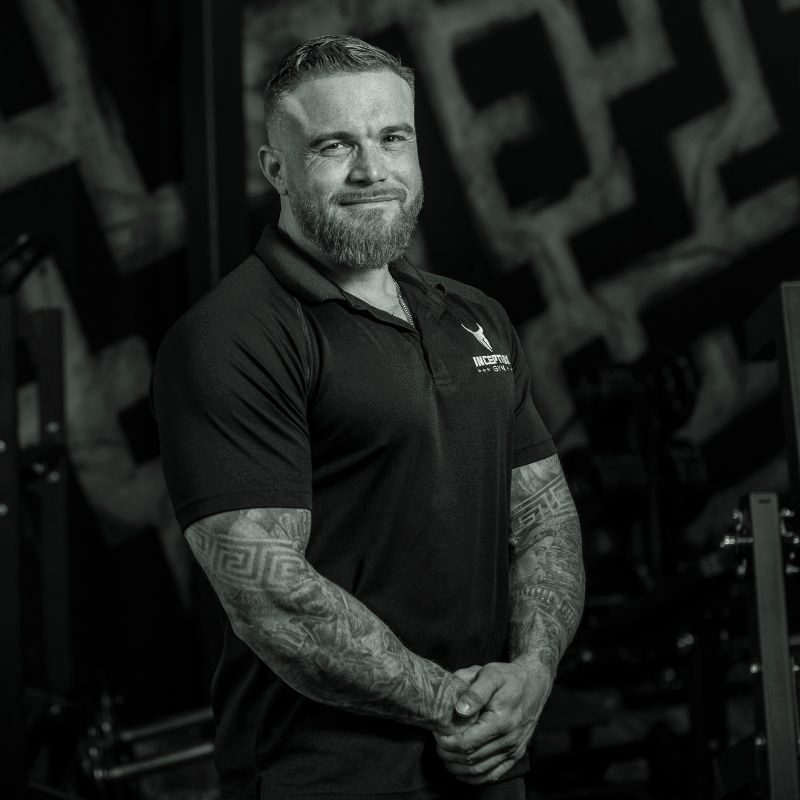

Inception reports body composition records from 1,380 clients, alongside dietary review and coaching. That could be a useful local resource. It does not, by itself, establish what the average New Zealander should expect.
The important distinction is between practice experience and verified outcomes. Numerical twelve-week results need documented methods and follow-up counts before they can guide expectations.
Here is how to read a local cohort: who took part, how progress was measured and whether the results apply to you.
What the starting measurements can tell us
A baseline profile should describe the people actually enrolled: their ages, goals, starting measurements, training history and relevant health conditions. It should not turn them into a composite description of all NZ adults.
Before interpreting the 1,380 figure, readers need to know whether it means unique clients, which years it covers and how many people have both baseline and follow-up measurements.
Labels such as excess fat or insufficient lean mass need defined reference standards. A precise number of surplus or missing kilograms is only meaningful when the comparison is explained.
For an individual intake, useful questions include:
- What does a typical week of eating look like, including weekends?
- What muscle-strengthening activity is already happening?
- Which changes matter to the person: waist size, strength, comfort, fitness or a clinical goal?
- What practical barriers need to be considered before setting targets?
Tramping, cycling, netball and physical work should not be dismissed. NZ guidance recommends muscle-strengthening activity alongside aerobic activity, and recognises that some everyday activities provide resistance too. 2
What BIA measures, and what it does not
Bioelectrical impedance analysis estimates body composition from electrical measurements and prediction equations. Its interpretation depends on the device, the population and hydration conditions. 1
A higher estimated lean mass reading is not proof of new skeletal muscle. Lean mass is not synonymous with muscle, and changes in body water can affect the estimate. 1
A credible cohort report should identify the device and software, describe scan preparation and explain whether repeat measurements used comparable conditions. It should also address measurement variability. 1
Read scans alongside waist measurements and training records, rather than treating a small change as decisive. For broader method context, see BIA versus DEXA body composition scans.
What the dietary records should show
The useful dietary analysis is not simply how many foods a database contains. It should explain where composition values came from, how portions and recipes were entered, and how missing information was handled.
When reviewing logs, include granola, smoothies, dried fruit, protein bars, flavoured yoghurt, dressings and alcohol. Check the product and portion rather than inferring intake from a health-focused label.
That is a review method, not evidence that these foods caused a fixed calorie surplus. Nor does a later correction to a drinks diary establish a cohort-wide percentage of alcohol under-reporting.
Fibre deserves attention alongside protein. NZ guidance describes adult fibre recommendations of 25 to 30 g daily, with higher suggested dietary targets for disease prevention. These are reference points, not measured Inception intakes. 2
Protein needs equally careful interpretation. A meta-analysis of 49 resistance-training studies estimated a plateau in additional fat-free-mass gains around 1.6 g/kg/day, with substantial uncertainty around that estimate. 3
That figure uses kilograms of body weight. It cannot be transferred unchanged to fat-free mass or an undefined reference weight, and it is not a universal minimum for preserving muscle during weight loss. 3
For broader discussion, see how much protein you need. A cohort report should state both the grams consumed and the denominator used.
Reading a twelve-week trajectory properly
A useful results table would show each outcome separately: estimated fat mass, estimated lean mass, waist circumference and hunger ratings. It would give the number measured and the timing of follow-up for each.
Report the median paired change, meaning each person’s follow-up value minus their own baseline. Add an interquartile range and uncertainty estimates. An unexplained range is not a median.
Completion counts are essential. Results among people who return do not describe everyone who starts; a useful report includes withdrawals and missing measurements.
Fat loss and increased measured lean body mass can occur together. In a four-week trial of 40 young men, the higher-protein group achieved both during energy restriction and intensive exercise. 4
That trial involved exercise six days weekly. It does not establish a twelve-week expectation for a mixed-age NZ coaching group, or prove that Inception produced the same outcome. 4
Hunger also needs a defined rating scale and measurement schedule. It should be reported as an outcome, not assumed to improve because someone followed the programme.
What separates responders from non-responders?
Protein intake, resistance training, sleep and alcohol are useful review topics, not a validated pass-or-fail formula. A missed target does not explain every difference in progress.
Start by defining success before examining the results. Is it a waist change, increased strength, estimated fat loss, improved symptoms or several outcomes? Different definitions can identify different people as responders.
Then examine the context: starting point, attendance, training exposure, illness, medication changes, sleep opportunity, food access and reasons for withdrawal. Avoid treating an unfinished log as proof of an unfinished effort.
Document supplement use too, including protein powders and creatine. Without that information, the cohort cannot separate any supplement contribution from food changes, training or other differences between clients.
Even a well-documented association would not show that one behaviour caused the result. A coaching cohort can generate useful questions without settling them.
Why the local context matters
A local review can work with familiar foods such as kūmara, mince, lamb, dairy and seasonal stone fruit. The goal is a plan that fits the person’s preferences, budget and household.
Likewise, ask whether winter schedules affect training access. Record menopause status and relevant symptoms if these are part of the analysis, rather than assigning a different prescription solely from an age band.
Iron concerns deserve clinical attention when indicated. Menstrual blood loss is a recognised risk, and persistent fatigue or unusual breathlessness can warrant assessment. Blood tests help establish whether iron deficiency is present. 5
That does not establish iron deficiency as this cohort’s most common laboratory finding. Such a claim needs the number tested, why they were tested and the diagnostic criteria used.
For vitamin D, NZ guidance favours assessment based on risk rather than blanket blood testing. A winter coaching start or a postcode is not, by itself, a diagnosis. 6
Coaching should work alongside your GP. Discuss appropriate investigation rather than requesting the same iron, vitamin D and metabolic panel for everyone whose last tests were two years ago. 5 6
The longevity read
Do not make estimated lean mass the sole measure of healthy ageing. In the Health ABC cohort, strength was more informative about mortality risk than muscle size. This was an association, not proof of a treatment effect. 7
For follow-up, ask whether clients retain strength, function and workable habits, as well as any body composition changes. A twelve-week scan cannot establish what someone’s health will look like twenty years later.
Twelve-month and three-year results would strengthen the practice record only if they include follow-up counts, consistent measures and missing outcomes. They remain separate questions from what happened during initial coaching.
What to do this week
- Choose a baseline that matches your goal. If using BIA, ask about repeatability and consistent preparation. A scan is optional, not a prerequisite for starting. 1
- Record three representative days of meals, drinks and portions, including a weekend day. Use this to identify questions, not to grade your honesty.
- Review protein intake in grams before adopting a target. Make clear which body-weight measure any calculation uses. 3
- Build towards muscle-strengthening activity on at least two days weekly, adapted to your ability. Keep a simple record of exercises, repetitions and loads. 2
- Discuss persistent symptoms or relevant deficiency risks with your GP rather than using a scan or food log to diagnose them. 5 6
The value of a local cohort is not a dramatic average. It is a clear account of who took part, what changed, how confidently it was measured and whose outcomes remain unknown.