
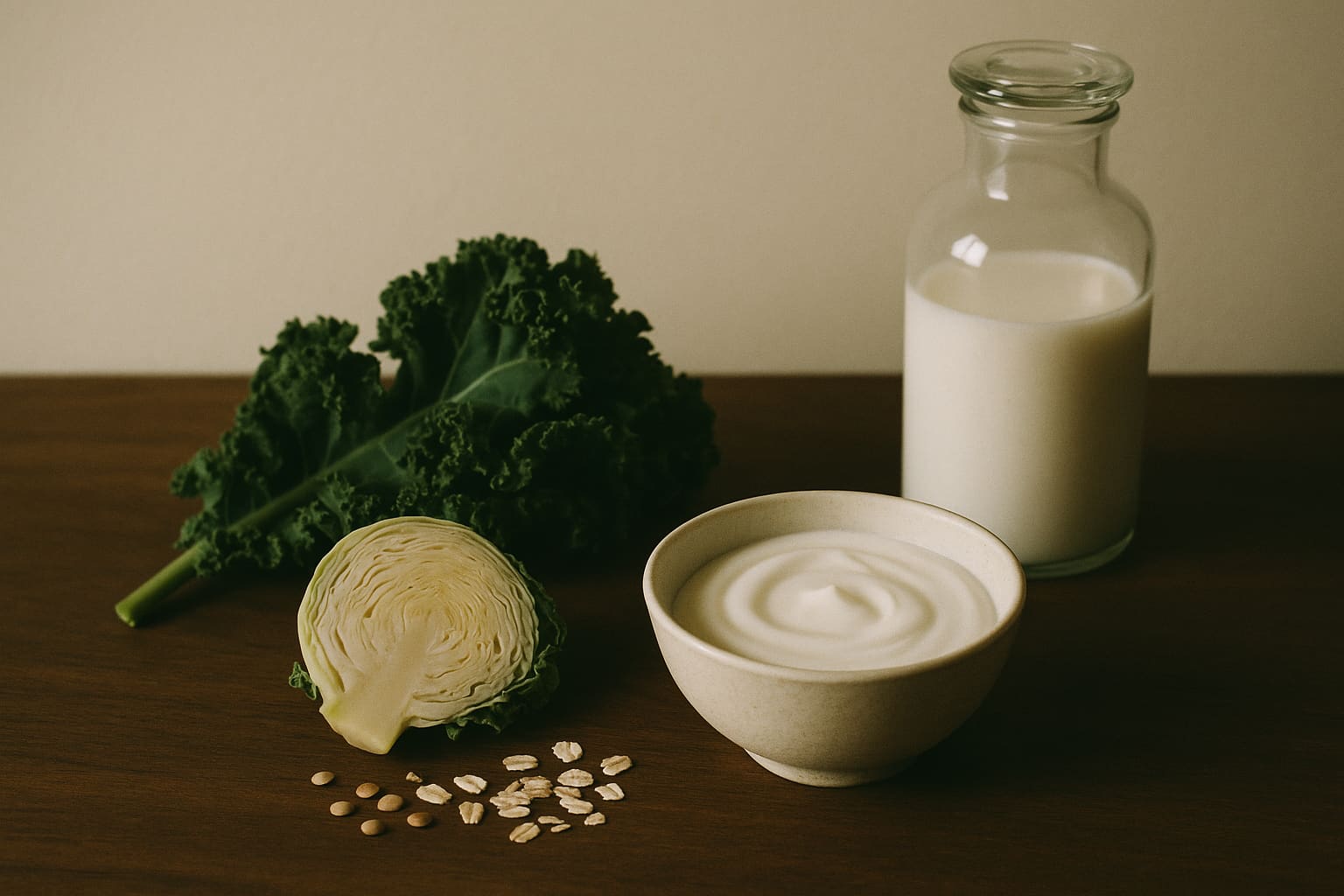
Gut microbes help process food and interact with appetite signals. However, changing your microbiome is not a proven weight-loss shortcut, and probiotic results are inconsistent. 1 4
How Gut Bacteria Influence Weight
Energy extraction: gut bacteria ferment food components that escape digestion. A small controlled feeding trial found that a diet delivering more material to the colon increased energy lost in stools. 1
Responses differed between people. This supports a diet-host-microbiome interaction, not the claim that particular bacteria independently determine how many calories you absorb or how much fat you gain. 1
Appetite signalling: fermentation produces short-chain fatty acids, which interact with pathways involving GLP-1 and peptide YY. Yet hormone changes do not necessarily mean less hunger: the trial found no reduction in food intake. 1
Inflammation: bacterial lipopolysaccharides can activate immune responses. In mice, experimental exposure increased inflammation, liver insulin resistance and fat accumulation. This is not proof of a human weight-loss treatment. 2
The gut-brain axis: nerves, including the vagus nerve, and hormones carry signals between gut and brain. How microbial metabolites influence human mood, cravings and eating behaviour remains an active research question. 3
Prebiotics and Probiotics
Prebiotic fibres, including inulin and fructo-oligosaccharides, provide fuel for gut microbes. They are different from probiotics, which are live microorganisms with demonstrated health benefits at adequate amounts. 4
Food choices include garlic, onions, leeks, legumes, oats and barley. You do not need a supplement to include foods that feed gut bacteria. 5
Yoghurt, kefir, kimchi, sauerkraut, miso and tempeh are fermented foods, but not automatically probiotics. Heating or processing may remove living organisms, and the remaining strains may lack demonstrated benefits. 4
For a specific clinical goal, look for research on the exact strain and dose, storage instructions, and viable counts through expiry. More strains or a higher colony count do not automatically mean better results. 4
Probiotics are not a reliable stand-alone weight-loss strategy. If you are seriously ill or immunocompromised, discuss supplements with your clinician first. 4
Dietary Fibre Types and Functions
Fibre properties overlap. Solubility describes mixing with water; viscosity describes gel formation; fermentability describes breakdown by microbes. These are not interchangeable functions. 1 6
- Soluble fibre: sources include oats, barley, legumes, fruit and psyllium. Gel-forming fibres can slow digestion and glucose absorption, but not every soluble fibre behaves identically. 6
- Insoluble fibre: wheat bran, vegetable skins and wholegrains provide fibres that add stool bulk and support bowel regularity. 6
- Fermentable fibre: examples include inulin, pectin and resistant starch. Microbial fermentation produces short-chain fatty acids; this is distinct from simply adding stool bulk. 1 4 6
Resistant starch occurs in firm bananas and legumes and can form when cooked starches cool. Cooked-and-cooled potatoes or rice are examples, not special weight-loss foods. 6
For more detail, see resistant starch.
Practical Strategies
Australia and New Zealand adult adequate intakes are 25 g of fibre daily for women and 30 g for men. These are population reference values, not a universal gut-health threshold or personalised prescription. 7
Try oats and fruit at breakfast, beans or lentils with lunch, and vegetables plus wholegrains at dinner. Rotate sources rather than relying on one fibre powder. 5 6
Increase fibre gradually and drink enough fluid. Sudden increases can cause gas and discomfort; more is not always better when symptoms worsen. 6
Choose fibre-rich alternatives to low-fibre staples and snacks rather than judging every food by whether it is processed. Wholegrain bread is one practical option. 6
If you enjoy fermented foods, include them without treating them as a weight-loss prescription. For bloating, see how to increase fibre comfortably. 4
How Quickly Can Things Change?
Microbial composition and activity can change within days of a dietary change. That does not establish a timetable for better bowel symptoms, improved metabolism or fat loss. 8
The research does not justify a universal 4 to 12 week promise. A microbial shift is a study finding, not proof that someone's gut has been permanently improved. 8
When to Seek Help
See your GP for persistent bloating, especially with blood in your stools or unintentional weight loss. Sudden severe abdominal pain needs urgent medical assessment rather than another dietary experiment. 9
For medication-specific context, read GLP-1 and gut health. If you would like help making food changes manageable, explore nutrition coaching.