Martial arts nutrition should support training and competition, not simply a lower weigh-in number. Start with your workload, weight class and time between weigh-in and the first bout. 1
Weight Management for Competition
Choose a class that supports health and performance. If fat loss is appropriate, plan it gradually, with adequate protein and resistance training to help retain muscle. 1 2
There is no universal safe water-cut percentage. Dehydration-based cuts can threaten health and performance; a short weigh-in-to-bout interval leaves less opportunity to recover. 1
Discuss weight-making with a sports dietitian and sports doctor. Confirm weigh-in timing and any repeat weigh-ins before planning refuelling. Do not copy a professional fighter’s cut. 1
Competition Day Nutrition
Use these timings as starting points, adjusted around weigh-in and gut comfort. Rehearse foods and fluids in training rather than introducing anything new on fight day. 3
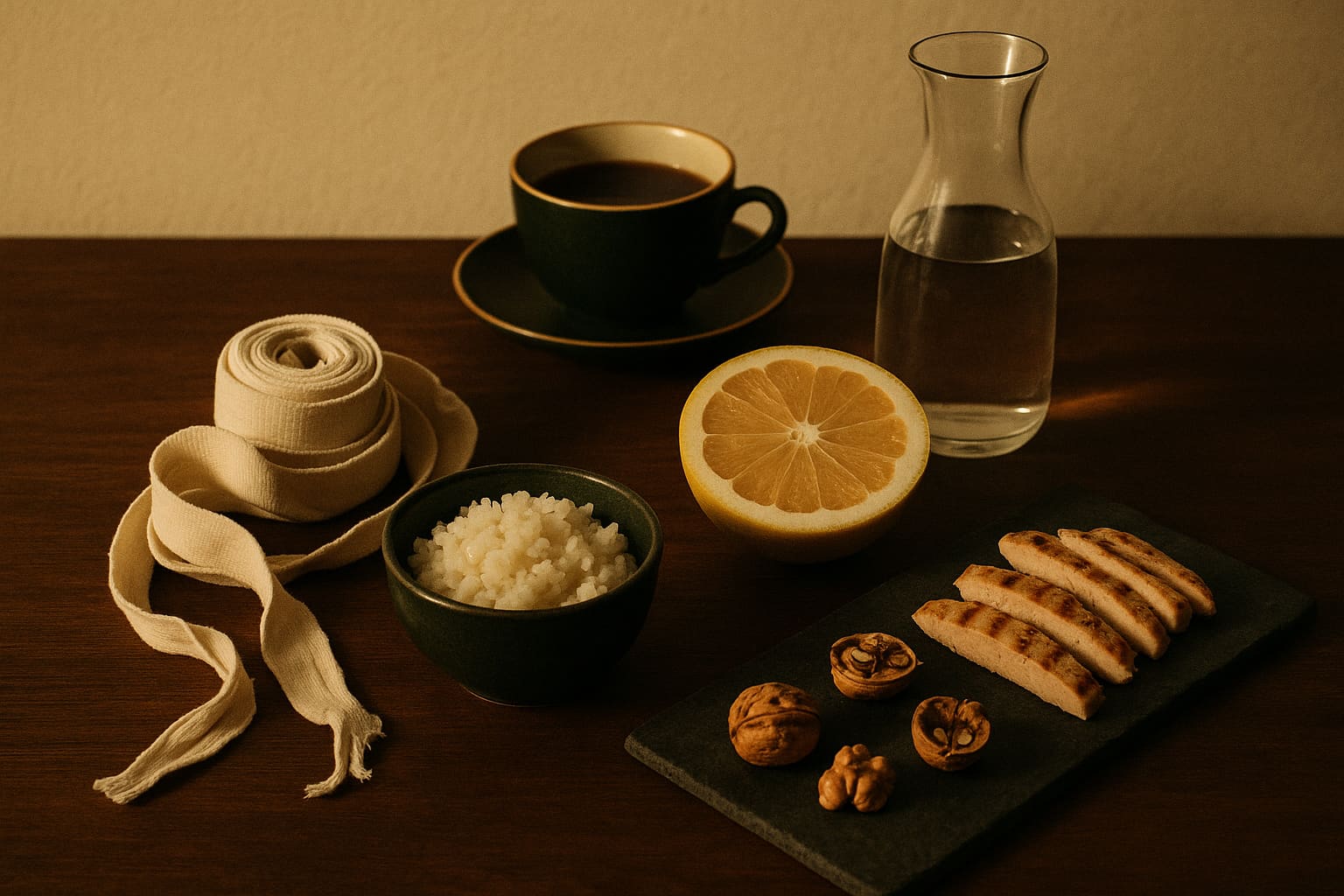
- 3 to 4 hours before: a carbohydrate-rich meal, such as rice with a little chicken or tofu. 3
- 1 to 2 hours before: a small snack, such as a banana or toast with jam, if tolerated. 3
- Between bouts: use small, familiar carbohydrate snacks when the schedule allows; avoid a large meal just before returning to the mat. 2
After weigh-in, address fluid and fuel losses without overwhelming your stomach. Sodium-containing drinks or foods can help replace sweat losses; fluid amounts should follow your individual plan, not constant forced drinking. 1
Recovery Nutrition for High-Impact Training
After hard sparring or grappling, prioritise carbohydrate to restore glycogen, protein for muscle repair, and fluids to replace sweat losses. Include protein at meals across the day. 4
Try rice with chicken or tofu and vegetables, or yoghurt with cereal and fruit. If another session follows soon, eat promptly; with a longer recovery interval, your next normal meal may be sufficient. 4
Oily fish provides omega-3 fats, but evidence for recovery benefits remains preliminary. Do not treat fish oil or “anti-inflammatory” foods as a proven solution to impact-related tissue damage. 5
For more detail, see recovery nutrition.
Training Camp and the Off-Season
As training volume and intensity rise, food and carbohydrate needs generally rise too. Adjust portions for lighter days and tapering rather than automatically eating more throughout camp. Keep protein consistent. 2
Where appropriate, plan gradual body-composition changes away from the hardest training blocks. The off-season provides more flexibility, not a requirement to diet. 2
Persistent fatigue, declining performance, missed periods or recurrent bone stress injuries warrant assessment by a GP or sports doctor. Under-fuelling is one possible cause, not a diagnosis from symptoms alone. 6
See nutrition periodisation for the broader training-phase approach.
Is Fasting Compatible with Martial Arts?
The practical concern is whether an eating window leaves enough room to fuel training and recovery. Avoid restrictive windows that make this difficult, especially during demanding camp schedules. 4 6
This is a fuelling-based recommendation, not proof that every fasting schedule harms performance. Fasting is not necessary, and a lighter training phase does not automatically make it beneficial. 6
For help organising everyday training meals, explore nutrition coaching.