Normal haemoglobin does not rule out iron deficiency. Iron stores can fall before anaemia develops, so ferritin matters when investigating persistent fatigue or declining exercise tolerance. 1
The issue is not that NZ GPs lack the right test. Ferritin is available in primary care. What matters is which tests were ordered, how they are interpreted and whether the cause of low iron is investigated. 2
What a normal blood count can miss
A full blood count measures haemoglobin and red-cell features such as mean cell volume, or MCV. Ferritin is a separate test used to assess iron stores. A normal blood count does not establish that those stores are adequate. 2
Iron depletion can progress from falling stores to reduced iron availability for red-cell production, and eventually anaemia. This is why haemoglobin alone is an incomplete check. 1
For example, ferritin of 12 µg/L with haemoglobin of 135 g/L would support iron deficiency without anaemia in a non-pregnant adult woman. Normal haemoglobin does not cancel out low ferritin. 3
Serum iron fluctuates with recent intake and time of day. It is not a reliable standalone measure of stores. 2
Ferritin can rise during inflammation or infection, making a reassuring-looking result harder to interpret. CRP can help identify inflammation; transferrin saturation helps assess circulating iron availability. 3
Transferrin saturation below 20% can support iron restriction in an inflammatory setting, but is not a diagnosis by itself. Additional tests depend on the clinical question, rather than a compulsory panel for everyone. 3
Reticulocyte haemoglobin reflects iron available to newly produced red cells. It can help in selected situations, especially renal anaemia, but is not an essential screening test for every active woman. 2
Ferritin thresholds that matter for active women
Ferritin is a continuum, not a performance score. These are interpretation guides for adults, not self-treatment instructions:
- Below 15 µg/L strongly supports iron deficiency. 3
- Between 15 and 30 µg/L commonly indicates probable deficiency, interpreted alongside symptoms and health history. 3
- AIS guidance uses below 35 µg/L to identify deficiency in athletes under standardised testing conditions. This is a high-performance framework, not a universal rule. 4
A result between 30 and 50 µg/L does not automatically explain poor recovery or require supplements. Equally, persistent symptoms deserve assessment rather than dismissal based on one number. 3 5
In a trial of 198 fatigued, non-anaemic menstruating women with ferritin below 50 µg/L, 12 weeks of oral iron reduced self-reported fatigue more than placebo. 5
The trial did not establish an optimal ferritin target, test athletic performance or show significant improvements in depression, anxiety or overall quality of life. 5
There is no established 50 to 100 µg/L performance target for every active woman. Higher thresholds used around altitude training should not become routine targets for recreational exercise or pregnancy planning. 4
Why active women can become iron deficient
Menstrual blood loss, especially heavy periods, can combine with inadequate intake. Pregnancy, blood donation and conditions that impair absorption can add to the risk. 3 7
Endurance training adds potential contributors: gastrointestinal bleeding, sweat losses and foot-strike haemolysis, where repeated impact damages red cells. Their importance varies; training should not become the assumed explanation. 4
Under-fuelling makes adequate iron intake harder. A plant-based diet also needs deliberate iron choices because non-haem iron is generally less readily absorbed than haem iron. Neither automatically means deficiency. 1 4
Hepcidin regulates iron absorption and can rise after exercise. But this does not make every post-training meal a poor absorption window. 6
In a crossover study of 16 runners, iron absorption was greatest at the meal following morning exercise, despite a later hepcidin rise. Only six participants were women. 6
This was an acute absorption study, not proof of improved long-term stores or performance. It does not justify delaying recovery food to avoid a presumed absorption penalty. 6
Food first, and what that actually looks like
Food supports prevention and treatment, but established deficiency often needs more than dietary changes. Build regular iron-containing meals rather than relying on one supposedly powerful food. 7
Useful options include:
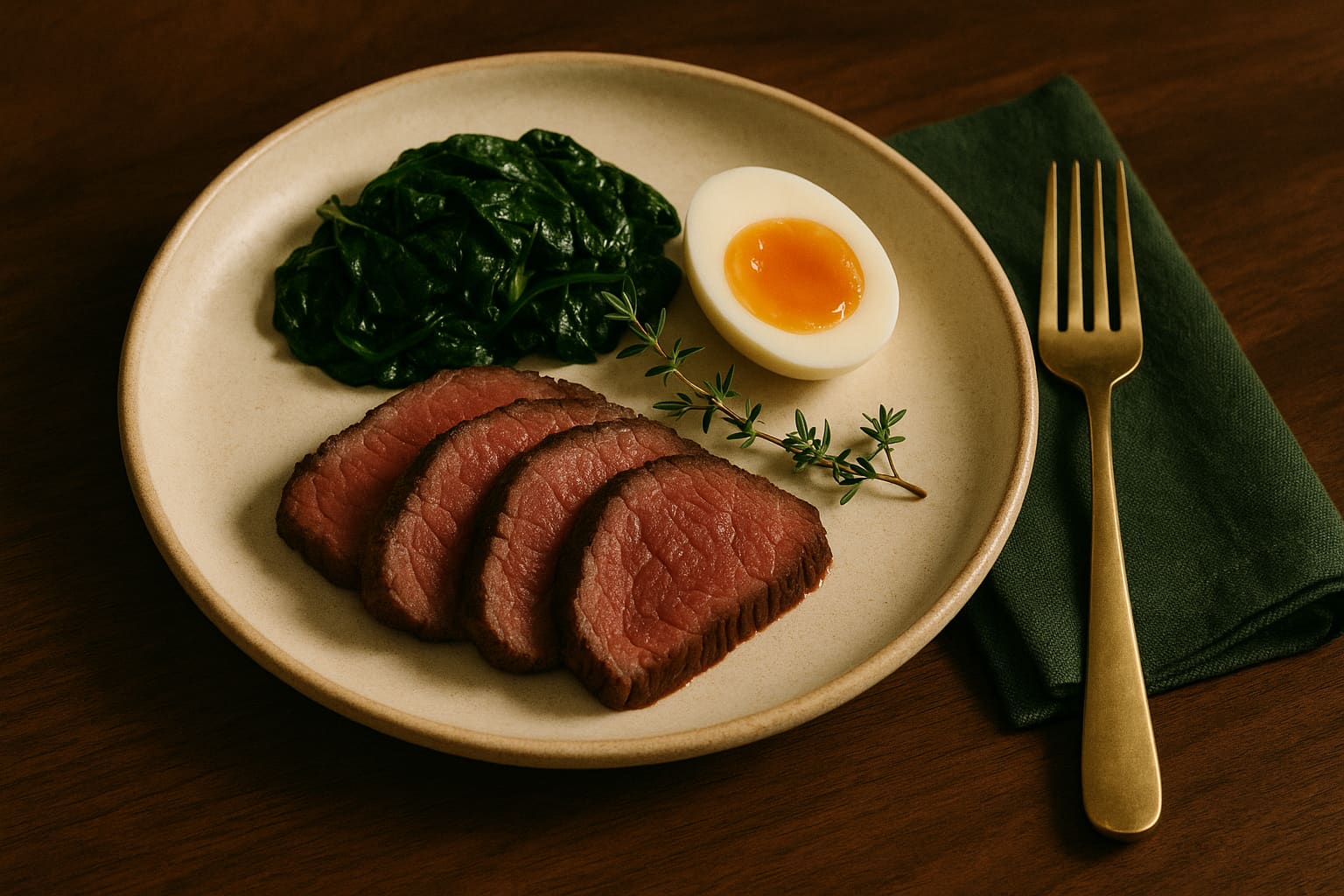
- Lean beef, lamb or venison, if you eat meat. These provide readily absorbed iron. 7
- Mussels, pāua and other seafood. Oysters are another iron-rich option. 1 7
- Lentils, beans, chickpeas, tofu and iron-fortified cereals for non-haem iron. 1
- Eggs as a useful contributor, rather than a treatment on their own. 7
Pair plant iron with vitamin C: lentils with capsicum, tofu with broccoli, or fortified cereal followed by kiwifruit. Vitamin C improves non-haem iron absorption. 1
The iron listed on a label is not the amount your body absorbs. Iron status and the whole meal influence absorption, so fixed percentages cannot predict your personal intake. 1
Have tea and coffee between meals rather than alongside iron-rich meals. An exact 90-minute gap is not necessary as a universal rule. 7
Calcium can affect absorption, but single-meal effects do not translate neatly into long-term deficiency. Do not remove dairy or other calcium-rich foods solely to improve iron intake. 1
When supplementation earns its place
Confirmed deficiency may warrant oral iron alongside dietary changes and treatment of the cause. Dose and schedule should reflect symptoms, anaemia, tolerance and ongoing losses. 3
AIS protocols include approximately 60 to 100 mg elemental iron per dose, with daily or alternate-day schedules. This is a clinician-led example, not a personal prescription. 4
Elemental iron is the iron content, not the total weight of the iron compound on the packet. Ask your pharmacist to clarify the label. 1
Iron doses can raise hepcidin and reduce absorption from subsequent doses. Alternate-day dosing may improve tolerance, but better fractional absorption does not guarantee faster recovery. 8
A trial of 150 iron-depleted women compared 100 mg daily for 90 days with 100 mg on alternate days for 180 days. At equal cumulative doses, ferritin was similar and gastrointestinal symptoms were lower with alternate-day treatment. 8
The alternate-day course took twice as long to deliver that dose. This supports a tolerability option, not a claim that every-other-day treatment always rebuilds stores faster. 8
Iron is generally better absorbed on an empty stomach, but taking it with food may help nausea. Discuss constipation, interactions and dose timing with your pharmacist or prescriber. 7
Keep calcium supplements, tea and coffee separate from iron tablets as advised. Store iron securely away from children. 3
Agree on follow-up: athlete protocols commonly reassess after eight to twelve weeks, while significant anaemia may need an earlier blood-count check. 3 4
An infusion may be considered when oral treatment fails, is not tolerated or cannot be absorbed adequately. It requires medical assessment and monitoring, including discussion of rare serious allergic reactions. 3 7
Find the cause, not just the low number
Tell your clinician about heavy periods, blood donation, gut symptoms and medicines, including anti-inflammatory painkillers. Coeliac disease or gastrointestinal blood loss may need investigation. 2
Seek prompt review for blood in stools, unexplained weight loss, persistent gut symptoms or recurrent deficiency. After menopause, iron deficiency should not be attributed to former menstrual losses. 2
If treatment is not working, reassessment should consider ongoing bleeding, absorption, adherence and alternative diagnoses, rather than simply increasing supplements. 3
For everyday fuelling around exercise, see training nutrition for women. Iron treatment and investigating the cause still belong with your healthcare team.
What to do this week
- Book a review for persistent fatigue or declining exercise tolerance, and bring previous results. Ask whether ferritin was measured as well as haemoglobin. 2
- Record menstrual bleeding, recent illness, training changes and any supplements before the appointment. 4
- For planned athlete screening, ask about testing when well, hydrated and recovered from hard exercise. Do not postpone assessment of concerning symptoms. 4
- Add regular iron-rich meals and agree on a treatment and retesting plan if deficiency is confirmed. Food changes and medical investigation work together. 7