Water usually suits shorter training sessions. Longer, sweatier exercise may need a personalised fluid and sodium plan, not simply more water. 1
Electrolyte roles
Sodium helps maintain fluid outside cells and supports nerve signalling and muscle contraction. Sweat losses make it particularly relevant during exercise. 1
Potassium is the main positively charged electrolyte inside cells. It supports cellular fluid balance, nerve transmission and muscle function, including the heart. Fruit, potatoes and legumes provide it. 2
Magnesium supports more than 300 enzyme systems, including energy production and muscle and nerve function. Sources include leafy greens, nuts, seeds, whole grains and dairy. 3
These essential functions do not prove that extra supplements improve performance. Kidney disease or medicines affecting potassium balance warrant clinical advice before supplementation. 2 3
Hyponatraemia risk
Exercise-associated hyponatraemia means low blood sodium during or after exercise. A major cause is drinking more fluid than the body can lose or excrete, sometimes alongside reduced water clearance by the kidneys. 4
Adding sodium does not make overdrinking safe. Sports drinks can also contribute to fluid overload. Responding to thirst rather than forcing fluids helps reduce risk. 4
Headache, nausea and vomiting can overlap with dehydration or heat illness. Stop exercising and seek prompt assessment if symptoms persist or worsen, especially after heavy drinking. Do not automatically treat them with more fluid. 4
Confusion, seizures or collapse during or after exercise need emergency assessment. In New Zealand, call 111 and ask for an ambulance. 4 5
Practical guidelines
For most sessions around an hour or less in moderate conditions, water and normal meals suffice. Heat, heavy sweating and repeated sessions change the picture; there is no automatic electrolyte deadline. 1
Sodium needs vary with sweat volume, sweat sodium and food intake. A single hourly dose cannot fit everyone. 1
Sports drinks combine fluid with carbohydrate, which can support performance when exercise requires additional fuel. A sugar-free electrolyte drink does not provide that same fuel. 6
Check sodium per prepared serving and the mixing volume. For example, 300 mg in 500 mL equals 600 mg per litre. This is label arithmetic, not a prescribed hourly target.
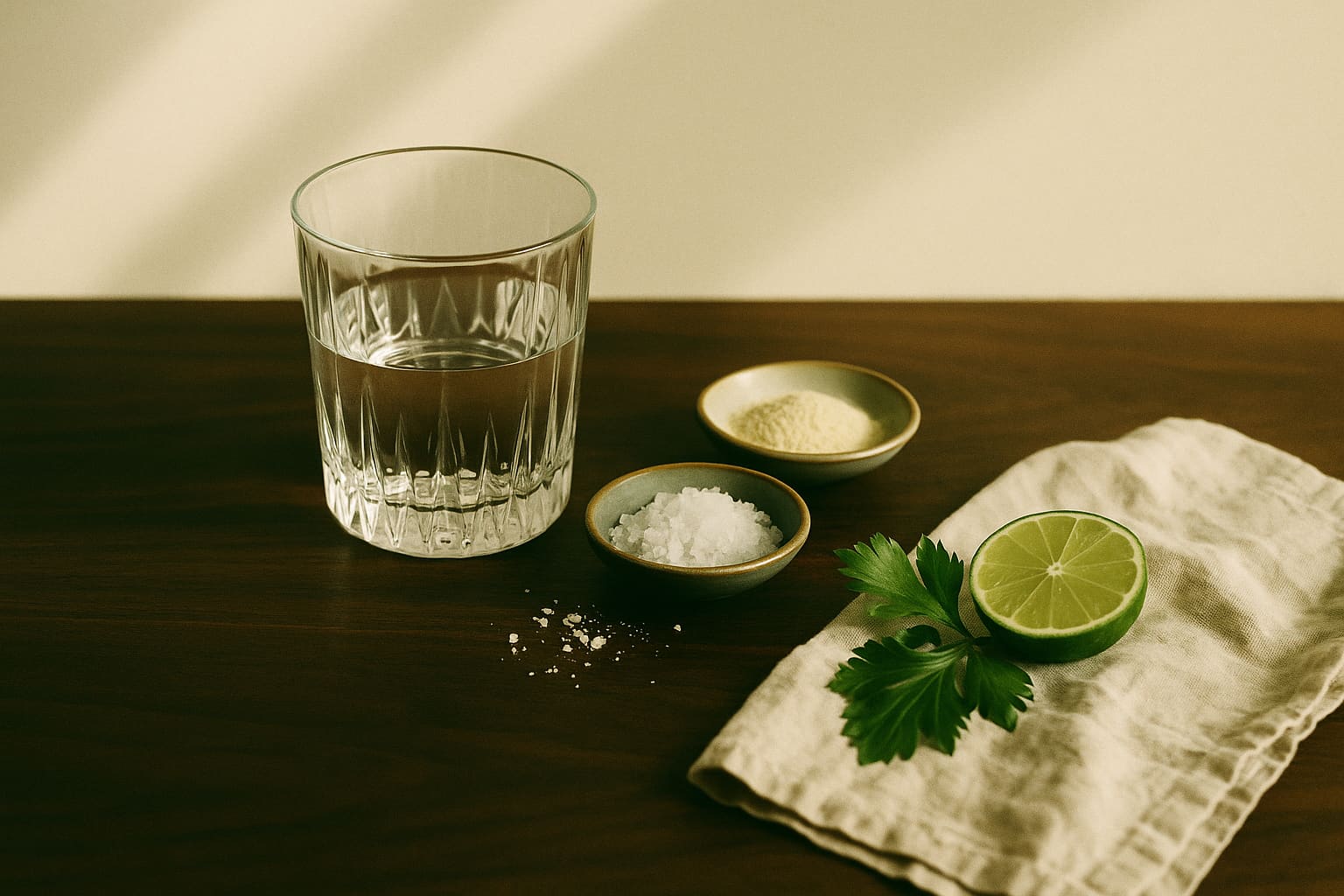
A pinch of salt and squeeze of citrus is not a measured replacement plan. Choose an approach you can quantify and practise during training.
Estimate your sweat rate
Weigh yourself before and after a representative session, using minimal dry clothing. Record drinks consumed, any urine passed and session duration. 1
Estimated sweat loss in litres = starting weight in kg minus finishing weight in kg, plus drinks in litres, minus urine in litres. Divide by hours exercised. 1
For example, losing 0.5 kg while drinking 0.5 litres over one hour, without urinating, suggests about 1 litre/hour of sweat loss. 1
Repeat in different conditions. This estimates fluid loss, not sweat sodium, and is not an instruction to force complete replacement during exercise. 1
Daily hydration
Australian and NZ reference intakes for drinks are 2.1 litres daily for adult women and 2.6 litres for adult men. These include other drinks, not just water; food supplies additional water. 7
These are population guides, not quotas. Exercise, heat, pregnancy and breastfeeding can increase needs. Follow an individually prescribed fluid limit rather than these general figures. 7
Pale-yellow urine is a rough guide. Interpret colour alongside thirst and usual patterns, not as a blood-sodium test. 1
For the wider post-training picture, see recovery nutrition. If you want help fitting hydration around your training, explore coaching.