
AI can help generate nutrition plans, but producing a plan is not the same as proving it works. Research supports some technical capabilities, not a blanket claim that AI improves long-term coaching outcomes. 1
What AI Can Contribute to Nutrition Coaching
AI is not one tool. A purpose-built nutrition system can combine food databases, nutritional rules and meal-generation software. That differs from asking a general chatbot for a diet. 1
A 2024 study found that a purpose-built system aligned generated plans with calorie and macronutrient targets more closely than its chatbot comparator. It did not test long-term adherence or health improvements. 1
Treat meal ideas and calculated targets as drafts to check. When reviewing wearable trends or body composition information, ask what was measured, what was estimated and what context is missing.
How Inception Nutrition Uses AI
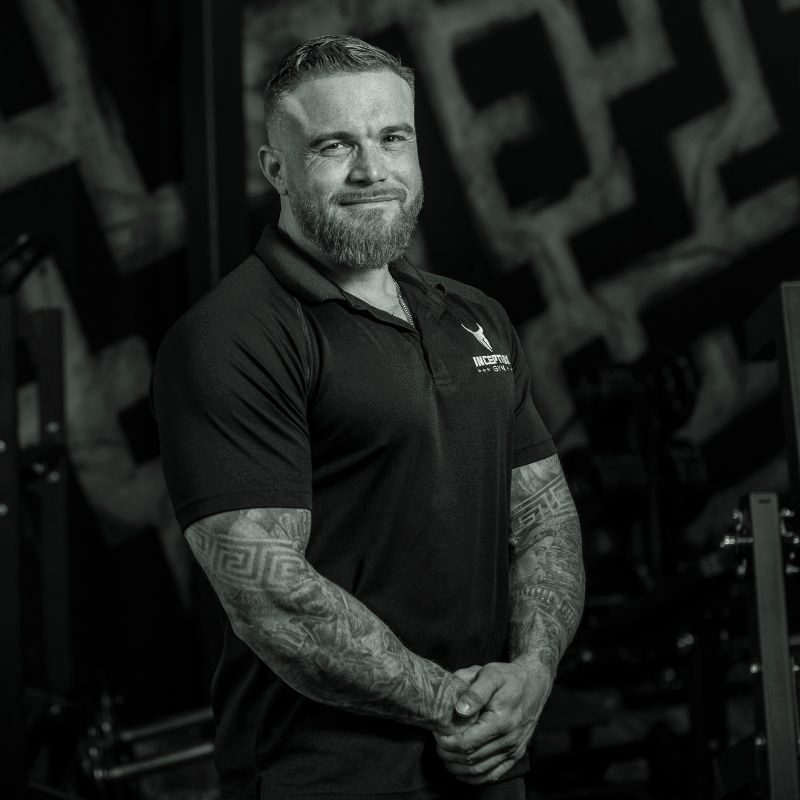
Our approach uses AI-assisted pattern recognition across coaching data, with Dr Matt Walley interpreting outputs in the context of each client's goals, training, lifestyle and history.
The aim is to identify potentially relevant patterns among similar profiles. Treat those patterns as questions to investigate, not proof that a strategy caused an outcome or will work for another person.
Limitations of AI-Only Nutrition
The problem is not that AI can never recognise context. It is that a plausible interpretation may be incomplete or wrong. WHO warns that generative AI can produce inaccurate or biased health information. 2
For example, an inconsistent food diary might reflect shift-work stress rather than poor nutrition knowledge. Ask about the roster, breaks and food access before recommending stricter tracking.
Likewise, a check-in's tone should prompt a conversation, not an assumed diagnosis. If body composition numbers look favourable but wellbeing is worsening, investigate rather than automatically continuing the plan.
A food log should not replace assessment of eating-disorder concerns. If restriction, rigid food rules or distress about weight are worrying you, speak with your GP rather than relying on an automated calorie target. 3
The Case for Human-Led, AI-Augmented Coaching
Our position is that AI should support coaching judgement, not take responsibility for it. Useful human review means questioning the recommendation, not simply approving a polished answer.
Review the practical fit: family meals, food preferences, budget, training fatigue and the person's relationship with eating. Agree on a manageable step and revisit it at the next check-in.
Human involvement is not a guarantee of safety. WHO also warns about automation bias, where people overlook errors because they trust the system. The reviewer needs relevant expertise and room to challenge outputs. 2
How to Check Whether a Service Uses AI Responsibly
Ask who takes responsibility for advice and how you can challenge it. Transparency and accountability are central to WHO's approach to health AI. 2
- What does AI do, and which recommendations receive human review?
- Who reviews the output, and what do their qualifications cover?
- How are errors corrected or concerns referred for healthcare assessment?
- What personal data is shared, stored or reused for model training?
NZ privacy requirements apply when services use AI with personal information. The Privacy Commissioner recommends assessing privacy risks before use, including security and whether reuse fits the original collection purpose. 4
Before uploading food diaries, scan reports or health records, ask how that information will be handled. If the answer is unclear, hold off sharing identifiable details. 4
If you are considering nutrition coaching, use these questions to assess the service, including ours.