
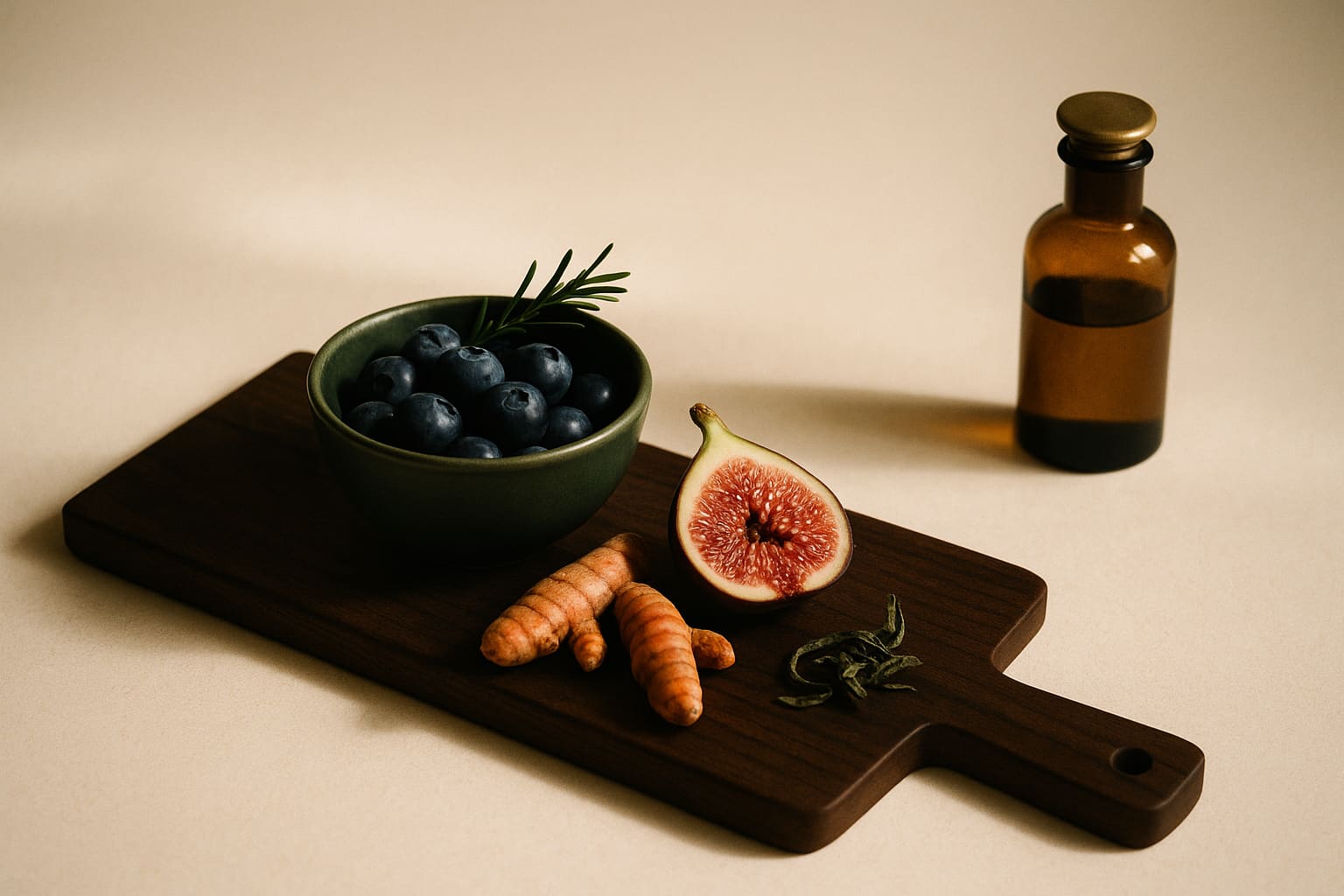
Diet can influence chronic inflammation. The useful starting point is a consistent eating pattern, alongside sleep and movement, rather than trying to eliminate inflammation altogether. 1
Chronic low-grade inflammation
Acute inflammation helps fight infection and repair injury. Inflammaging describes persistent, low-grade inflammation associated with ageing, which can contribute to age-related disease. 1
It may have no obvious symptoms. Visceral fat around internal organs can release inflammatory signals; poor sleep, inactivity, smoking and chronic stress can also contribute. Diet is only part of the picture. 1
Researchers study markers including CRP, interleukin-6 and tumour necrosis factor. These help describe inflammatory activity, but inflammation is not a single process with one cause. 1
CRP as a marker
High-sensitivity C-reactive protein, or hs-CRP, detects smaller increases in CRP than a standard assay. It is used in some cardiovascular assessments, but cannot identify the cause of inflammation. 2
There is no universal longevity target. Some cardiovascular frameworks use 2 mg/L or higher as a risk signal, interpreted alongside other risk factors, not as a diagnosis on its own. 2
Infection, injury and strenuous exercise can raise CRP temporarily. A result is not a biological-age score or proof that your food choices are causing inflammation. 2
Discuss an unexplained elevation with your GP. They can assess possible causes and whether testing again when you are well would be useful. 2
Omega-6 to omega-3 ratios
Both omega-6 and omega-3 fats contribute to immune-signalling molecules. However, an optimal dietary ratio has not been established, and a ratio alone cannot describe diet quality. 3
Omega-6 fats are not inherently inflammatory. There is no reason to replace soybean, sunflower or other unsaturated oils with butter to treat inflammation. Olive oil remains a useful option. 4
Aim for two fish meals weekly, including oily fish such as salmon or sardines. Walnuts and flaxseed provide ALA, but conversion to the EPA and DHA found in fish is limited. 3
For the wider evidence, see our seed-oils article.
Anti-inflammatory foods
Mediterranean-style eating has trial support. In a PREDIMED substudy of 285 adults at high cardiovascular risk, diets supplemented with olive oil or nuts reduced several inflammatory markers over three years. 5
Some cytokine changes differed from the comparison diet, but not every marker did. This supports the dietary pattern, not a promise of slower ageing or the same response in every person. 5
Put the pattern into practice with meals such as:
- Porridge with berries and walnuts.
- Lentil soup with wholegrain bread and a side salad.
- Salmon with potatoes, broccoli and an olive-oil dressing.
- Chickpea and vegetable curry flavoured with ginger and turmeric.
These are meal ideas, not therapeutic doses. Herbs and spices can add variety without needing to be treated as supplements.
Gut barrier function
The intestinal lining selectively absorbs nutrients while restricting microbes and other contents. Increased permeability occurs in conditions such as coeliac disease and inflammatory bowel disease. 6
Bacterial products crossing a compromised barrier may amplify inflammation. That does not make “leaky gut” the default explanation for bloating, fatigue or an elevated CRP result. 6
Gut bacteria ferment some dietary fibre into short-chain fatty acids involved in intestinal and immune function. 1
Try adding oats, beans or lentils gradually. If tolerance is difficult, see how to increase fibre without bloating.
Fermented foods are promising, not proven gut-repair treatments. A small study of 36 adults found reduced inflammatory markers with a high-fermented-food diet; the high-fibre group did not show the same overall response. 7
Yoghurt or kefir can be options if tolerated, but that study did not establish disease prevention or slower ageing. 7
Heavy alcohol use can damage the barrier. Persistent digestive symptoms deserve assessment, rather than assuming a glutamine, zinc or “gut-repair” supplement will address the cause. 6
Are anti-inflammatory supplements useful?
Fish oil is not a universal inflammation treatment. Discuss its purpose and suitability with your clinician or pharmacist, particularly if you take anticoagulants. 3
Curcumin evidence varies by condition and product. Enhanced-absorption formulations have been linked to liver injury, so better absorption is not automatically better or safer. 8
Practical steps and monitoring
Choose two changes you can repeat, such as adding beans to lunch and planning a fish meal. Support these with regular activity, adequate sleep and manageable stress-reduction habits. 1
Do not judge the plan by a promised CRP deadline. A fluctuating marker cannot isolate the effect of diet; agree any repeat testing and interpretation with your clinician. 2
For help putting food habits into practice, explore our longevity approach. For related reading, see metabolic flexibility.