
Longevity & Healthspan.
Healthspan is the years you live well. Explore body composition, recovery, strength after sixty and biological age, with practical guidance and the limits of what we can measure.
17 articles on this topic.

What a Body Composition Scan Actually Tells You: A Christchurch Guide
A body composition scan adds context to your weight, not certainty. Learn what lean mass, fat, visceral-fat estimates, segmental results, BMR and water readings can tell you.
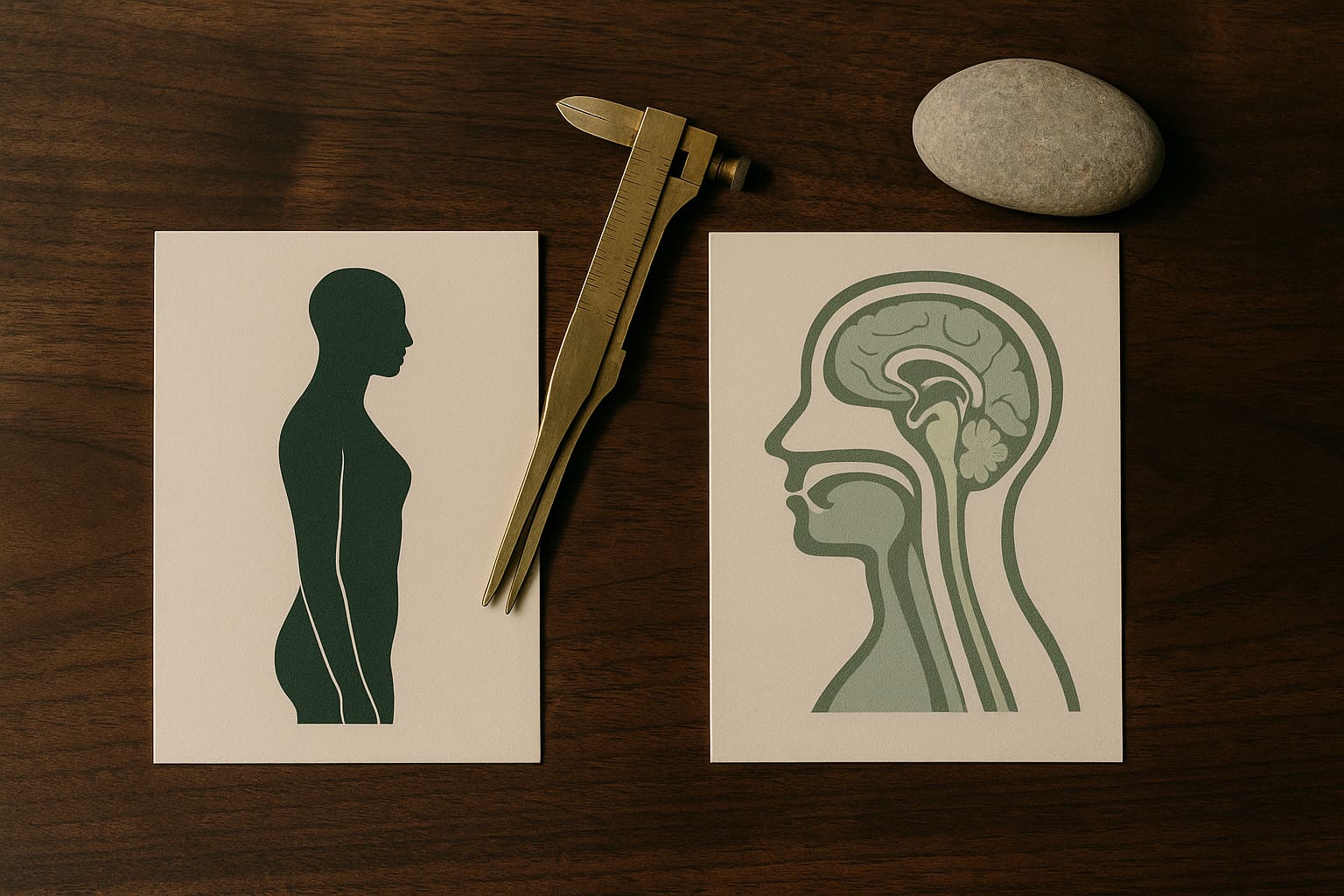
BIA vs DEXA Body Composition Scans in NZ: Which One Do You Need?
BIA can support accessible progress tracking. DEXA offers regional composition analysis and separate clinical bone-density testing. Choose by the question, not the number of metrics on the report.

How to Read Your Body Composition Scan: What the Numbers Mean
Read beyond weight and body fat percentage. Learn what each BIA report field means, where estimates can mislead and how to judge changes between scans.

Reading Inception’s NZ Body Composition Cohort: What the Client Data Can Tell Us
Local coaching records can be useful without being a clinical trial. Here is how to interpret Inception’s reported 1,380-client cohort, separate observations from promises and assess progress beyond a scan.

Cold Water Immersion: What It Does to Body Composition and Recovery
Cold water may help you feel less sore, but brown-fat activity is not proof of meaningful fat loss. Timing, training goals and water safety matter more than chasing colder temperatures.

What Is Biohacking? A Practical Guide for New Zealanders
Biohacking can mean testing everyday habits, not buying expensive technology. Learn which measurements can help, where the evidence stops, and when to seek clinical advice.

Resistance Training After Sixty: Building Muscle and Managing Sarcopenia
You can build muscle and strength after sixty. Start with manageable resistance, eat enough to support training, and judge progress by function as well as body composition.

Building Your Personal Health Dashboard: What to Track and Why
Track what can change a decision. Combine consistent measurements, relevant blood tests and symptom notes without mistaking device estimates for diagnoses.

HRV Tracking for Beginners: How to Read Heart Rate Variability
Your wearable's HRV number needs context. Learn to read your own trend alongside sleep, stress, training and symptoms, without chasing a perfect score.

Healthspan vs Lifespan: Living Better, Not Just Longer
Lifespan counts years lived. Healthspan focuses on health and function within those years. The NZ population gap matters, but it is not a prediction of your final decade.

NAD+ and Cellular Ageing: What the Science Actually Says
NAD+ biology is important. Whether raising it with NMN or NR improves human ageing is a separate question. Here is how the evidence measures up.

Body Composition Scanning: How BIA Works and What Weight Misses
A BIA scan adds context to scale weight, but its tissue and calorie figures are estimates. Learn what the technology can tell you and how to make comparisons useful.

Post-40 Nutrition: What Changes and What to Do About It
Turning 40 does not mean your metabolism suddenly slows. Focus on strength, adequate protein, bone-supporting nutrition and habits that fit your changing needs.

Biological Age vs Chronological Age: How to Measure and Influence Yours
Your birthday gives an exact age. Biological-age tests give estimates. Learn what those estimates mean, where they fall short and which health changes deserve your attention.

Peptides 101: BPC-157, TB-500, GHK-Cu and the NZ Context
What do popular research peptides actually do? Understand the proposed mechanisms, limits of human evidence, product risks and New Zealand regulatory context.

Inflammation and Ageing: What Your Diet Can Do About Inflammaging
Diet can influence inflammation, but a lower blood marker is not proof of slower ageing. Here is how to interpret the evidence and put it into practice.

Men in Their Forties: Testosterone, Muscle and Body Composition
A changing waistline does not diagnose low testosterone. Here is how to track strength and body composition, adjust training and nutrition, and recognise when medical assessment matters.
Find your
next step.
The free metabolic audit uses your answers to suggest coaching priorities. No commitment, and no medical diagnosis. Explore the programmes when you are ready.