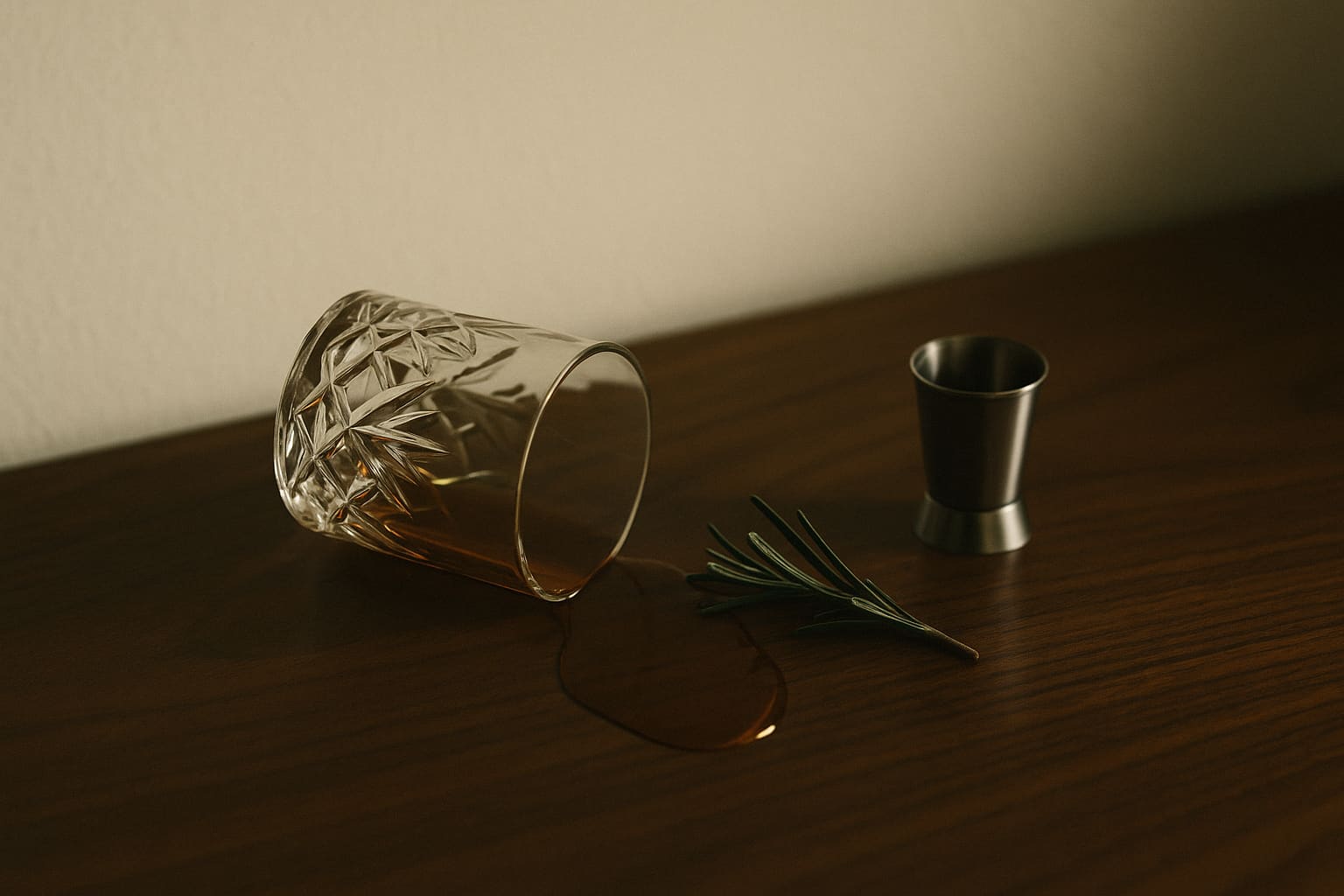
Alcohol does not automatically prevent fat loss, but its calories count. It supplies about 7 calories per gram, with more potentially coming from mixers and other ingredients. 1
Alcohol Metabolism Pathways
The body uses alcohol-derived fuel while burning less fat. In an acute study of eight healthy men, 24 g of alcohol reduced whole-body fat oxidation by 73% during the measurement period. 2
That is a short-term laboratory finding, not a universal response or a prediction of 73% slower fat loss. The study did not measure weight-loss progress over weeks. 2
Alcohol is broken down mainly in the liver, first into acetaldehyde, a toxic intermediate, then acetate. Acetate can enter the circulation and be used as fuel. 2 3
In that study, new-fat production was a relatively small pathway. Fuel displacement mattered more, but it does not establish that a meal eaten with alcohol automatically becomes body fat. 2
Recovery and Training Impact
A crossover trial in eight active men tested 1.5 g of alcohol per kilogram of bodyweight after exercise. This was a high dose, not a study of one or two drinks. 4
Muscle protein synthesis was 24% lower with alcohol plus protein and 37% lower with alcohol plus carbohydrate, compared with protein alone. These were acute responses, not measured long-term muscle losses. 4
Glycogen findings are less clear-cut. In cyclists, alcohol impaired replenishment when it displaced carbohydrate. With carbohydrate maintained, there was no significant difference at 24 hours. 5
The practical takeaway: avoid heavy drinking after training, and do not let drinks replace your protein and carbohydrate recovery meal. 4 5
Sleep and Next-Day Readiness
Alcohol may help you fall asleep sooner, but it can fragment sleep and cause earlier waking. The resulting fatigue matters even when drink calories fit your plan. 3
There is no single recovery window for everyone. Prioritising alcohol-free evenings before important sessions is a practical precaution, rather than a proven timing threshold. 3
For the broader picture, see sleep and nutrition.
Practical Guidelines
Count alcohol, not just occasions. One NZ standard drink contains 10 g of alcohol, providing about 70 calories from alcohol alone. A poured glass may contain more than one standard drink. 1 6
- Check the standard-drink label and plan the amount before you start. NZ lower-risk advice includes at least two alcohol-free days weekly; it is not a fat-loss target or a guarantee of safety. 6
- Choose smaller servings. Plain spirits with soda water avoid sugary mixer calories, but are not calorie-free. Serving size and strength matter more than a simple beer-versus-spirits ranking. 1
- Eat a normal meal before drinking rather than saving food calories for alcohol. Protein is not an antidote to alcohol's recovery effects. 1 4
If you want to assess your habits, record drinks, associated snacks, sleep and training alongside your usual progress checks. Use this to guide changes, not to calculate an alcohol-specific fat-loss penalty.
If you want help fitting this into everyday eating, nutrition coaching can support that planning.
Is Red Wine Different?
Red wine is not a health strategy. Associations with better heart health do not prove that wine causes the benefit, and the American Heart Association does not recommend drinking for health. 7
Grapes and blueberries provide similar plant compounds without alcohol. Enjoying wine and needing it for nutrition are different things. 7
When to Seek Support
If you drink heavily or get shakes when cutting down, seek medical advice before stopping. Alcohol withdrawal can be dangerous. 6
For confidential NZ support, call the Alcohol Drug Helpline on 0800 787 797 or free text 8681. 6